Iron, Ferritin and Energy: What Women Over 40 Should Know
Low iron is one of the most common and most overlooked causes of fatigue in women. Perimenopause can make it more likely.
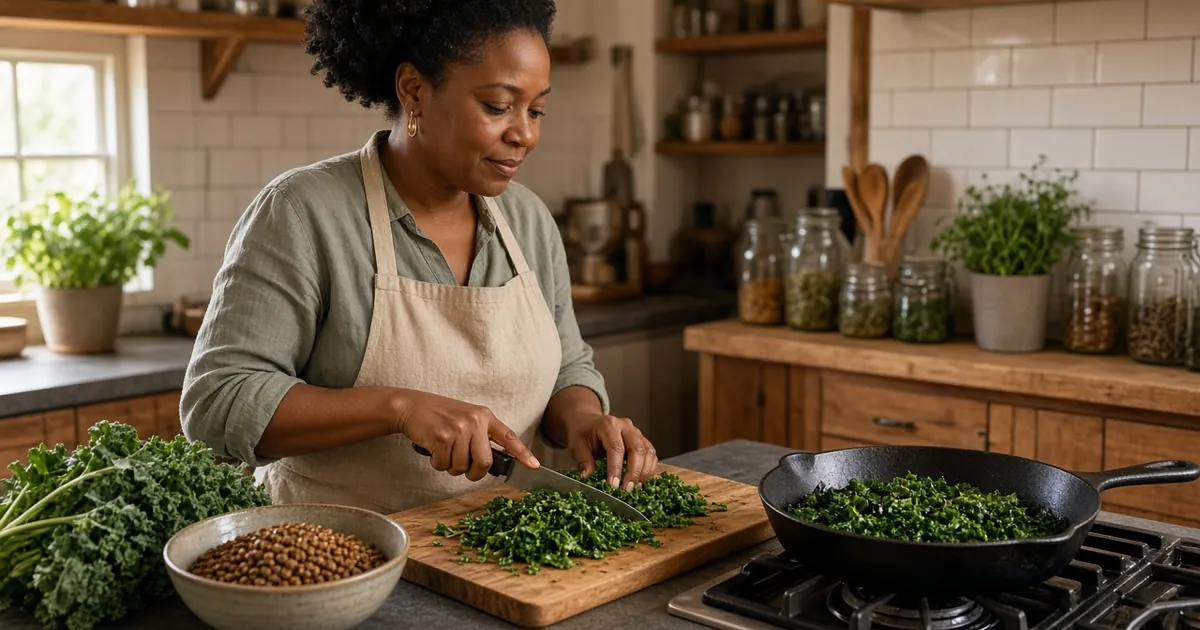
Iron is easy to overlook. It does not get the attention of protein or collagen, and its deficiency symptoms, such as tiredness, weakness and brain fog, are so vague that many women blame them on busy lives or getting older.
Yet iron deficiency is among the most common nutritional deficiencies, and women of reproductive age are among the groups most affected. For women in their 40s, perimenopause can add an extra twist. Here is what you need to know.
What iron does
Iron is a mineral your body needs to make hemoglobin, the protein in red blood cells that carries oxygen from your lungs to the rest of your body. It is also part of myoglobin, which supplies oxygen to muscles, and it is needed for growth, nerve function and making some hormones. The NIH Office of Dietary Supplements describes iron's roles in detail.
When iron is low, your body cannot make enough healthy red blood cells, and tissues get less oxygen. The result is often fatigue that rest does not fix.
Why women over 40 are at risk
Heavy periods in perimenopause
During perimenopause, hormonal fluctuations can make periods unpredictable. For some women, that means heavier bleeding, longer periods or periods that come closer together. Mayo Clinic lists irregular and heavier periods among common perimenopause changes. The National Heart, Lung, and Blood Institute notes that heavy menstrual bleeding is a common cause of iron-deficiency anemia.
Signs that bleeding may be heavy include soaking through a pad or tampon every hour for several hours, needing to change protection during the night, passing large clots or bleeding for more than seven days. These deserve a conversation with a clinician, both for your iron levels and to check the cause.
Other common reasons
- Eating little or no meat, poultry or seafood
- Frequent blood donation
- Conditions that affect absorption, such as celiac disease or inflammatory bowel disease
- Weight-loss surgery
- Long-term use of acid-reducing medications
- Bleeding from the digestive tract, which always needs medical investigation
Symptoms of low iron
According to the NHLBI, symptoms of iron-deficiency anemia can include:
- Fatigue and weakness
- Shortness of breath, especially with activity
- Dizziness or lightheadedness
- Pale skin
- Cold hands and feet
- Headaches
- Brittle nails
- Unusual cravings for ice or non-food items (called pica)
- A fast or irregular heartbeat
Hair shedding is also sometimes linked with low iron stores. See our guide to iron, biotin, zinc and hair.
Ferritin: the number to know about
When people think of anemia, they often think of hemoglobin. But iron deficiency develops in stages. First, iron stores fall. Only later, when stores are depleted, does hemoglobin drop and anemia appear.
Ferritin is a protein that stores iron, and blood ferritin is a common measure of iron stores. This means you can have low ferritin and feel unwell even when your hemoglobin is still in the normal range. If you are tired and have heavy periods, it is reasonable to ask your clinician whether ferritin should be checked along with a complete blood count.
Ferritin can also rise with inflammation or infection, so your clinician will interpret it in context.
How much iron do you need?
The Office of Dietary Supplements recommends:
| Group | Recommended iron per day |
|---|---|
| Women 19 to 50 | 18 mg |
| Women 51 and older | 8 mg |
| Pregnancy | 27 mg |
| Men 19 and older | 8 mg |
The drop after 51 reflects the end of menstruation. Vegetarians may need more iron, because iron from plant foods is absorbed less well.
Food sources of iron
There are two types of iron in food:
- Heme iron, found in meat, poultry and seafood, is absorbed relatively well.
- Non-heme iron, found in plant foods and fortified foods, is absorbed less efficiently, but absorption can be boosted.
Good sources include:
- Lean beef, lamb and dark-meat poultry
- Oysters, clams, mussels and sardines
- Beans, lentils and chickpeas
- Tofu and tempeh
- Fortified breakfast cereals
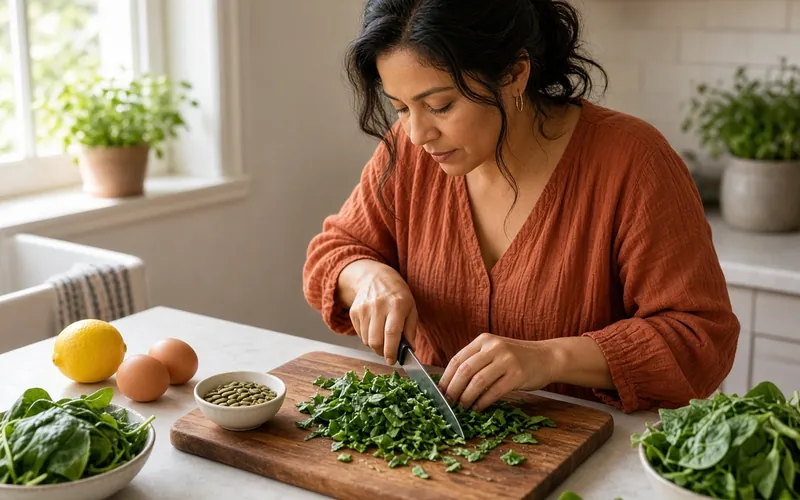
- Spinach and other dark leafy greens
- Pumpkin seeds
- Dried apricots and raisins
Boost absorption
Vitamin C helps your body absorb non-heme iron. The Office of Dietary Supplements notes this effect. Pair plant iron sources with vitamin C-rich foods: beans with salsa and peppers, lentil soup with tomatoes, fortified cereal with strawberries or a spinach salad with orange segments.
Watch what reduces absorption
Tea and coffee contain compounds that can reduce iron absorption when consumed with meals. Calcium can also interfere. If your iron is low, try having coffee or tea between meals rather than with them, and separate calcium supplements from iron-rich meals.
Should you take an iron supplement?
Only if testing shows you need one, and under a clinician's guidance. Here is why:
- Too much iron is harmful. The Office of Dietary Supplements sets an upper limit of 45 mg a day for adults from all sources unless a doctor prescribes more. High doses can cause stomach upset, constipation and nausea, and very high doses are dangerous.
- Some people store too much iron. Hereditary hemochromatosis, a genetic condition, causes iron to build up and damage organs. Taking iron supplements without testing can be harmful for these people.
- The cause matters. Low iron is a sign that needs explaining, especially after menopause, when blood loss from the digestive tract must be ruled out.
- Iron interacts with medications. It can reduce absorption of thyroid medication and some antibiotics, among others.
If you are prescribed iron, ask how to take it for the best absorption and fewest side effects, and when your levels will be rechecked. It usually takes some time to rebuild iron stores.
The bottom line
Low iron is common, often overlooked and very treatable. If you are a woman in your 40s with fatigue and heavy or irregular periods, it is worth asking your clinician about a blood count and ferritin. Meanwhile, include iron-rich foods, pair plant iron with vitamin C, and keep tea and coffee away from iron-rich meals. Skip the supplement unless testing shows you need it.
Frequently asked questions
What are the first signs of low iron?
Early signs are often vague: tiredness, reduced exercise tolerance, feeling cold and sometimes increased hair shedding. As deficiency worsens, symptoms like shortness of breath, pale skin and dizziness may appear.
Can perimenopause cause low iron?
Yes, indirectly. Heavy or more frequent periods during perimenopause increase iron losses, which can lead to low iron stores or anemia.
Do I still need 18 mg of iron after menopause?
No. After age 51, the recommendation drops to 8 mg a day because menstrual iron losses stop. Taking high-dose iron without a reason is not advised.
Is it better to get iron from food or supplements?
Food is the first choice for most people. Supplements are useful when testing shows a deficiency, and should be taken under medical guidance.
Sources
- Iron: Fact Sheet for Consumers NIH Office of Dietary Supplements
- Iron-Deficiency Anemia National Heart, Lung, and Blood Institute (NIH)
- Vitamin C: Fact Sheet for Consumers NIH Office of Dietary Supplements
- Fatigue: Causes Mayo Clinic
- Healthy Eating Plate The Nutrition Source, Harvard T.H. Chan School of Public Health
- Perimenopause: Symptoms and causes Mayo Clinic