How Much Protein Do Women Need After 40?
Protein becomes more important with age, especially for protecting muscle. Here is how much you need and how to get it without fuss.

Protein has become a buzzword, with protein bars, shakes and "high-protein" labels on everything from cereal to chips. But beneath the marketing is a real issue for women in midlife: getting enough good-quality protein helps protect muscle, supports bones and keeps you feeling satisfied.
This guide explains how much protein you need, why it matters more after 40 and how to get it from real food.
Why protein matters more with age
Protein is made of amino acids, the building blocks your body uses to build and repair muscles, bones, skin, hair, enzymes and hormones. Your body does not store protein the way it stores fat, so you need a regular supply from food.
As we age, muscle mass tends to decline if we do not actively maintain it. Mayo Clinic notes that lean muscle mass naturally diminishes with age. Losing muscle affects strength, balance, metabolism and independence. Two things help preserve muscle: strength training and adequate protein. They work best together.
Protein also supports bone health, alongside calcium and vitamin D. And because protein is satisfying, including it in meals can help with appetite and steadier energy.
How much protein do you need?
The official recommendation
The Recommended Dietary Allowance (RDA) for protein is 0.8 grams per kilogram of body weight per day for adults. Harvard's Nutrition Source explains that this is the minimum amount needed to meet basic nutritional requirements, not necessarily the optimal amount.
To calculate yours, divide your weight in pounds by 2.2 to get kilograms, then multiply by 0.8.
| Body weight | RDA (0.8 g/kg) | About 1.0 to 1.2 g/kg |
|---|---|---|
| 130 lb (59 kg) | 47 g | 59 to 71 g |
| 150 lb (68 kg) | 54 g | 68 to 82 g |
| 170 lb (77 kg) | 62 g | 77 to 93 g |
| 190 lb (86 kg) | 69 g | 86 to 103 g |
Do older adults need more?
Some researchers and expert groups have suggested that older adults may benefit from somewhat more than the RDA, often in the range of 1.0 to 1.2 grams per kilogram, to help preserve muscle. This is an area of ongoing research, and needs vary with activity, health and body size. People with kidney disease may need to limit protein, so check with your clinician if you have a medical condition.
The Dietary Guidelines for Americans note that many older adults do not get enough protein and encourage a variety of protein foods.
Spread it through the day
Many Americans eat a small amount of protein at breakfast, a bit more at lunch and most of it at dinner. Some research suggests that spreading protein more evenly across meals may better support muscle maintenance. A practical goal for many women is roughly 25 to 30 grams of protein at each main meal.
Choose healthy protein "packages"
Harvard's Nutrition Source emphasizes that the "package" protein comes in matters: the fats, fiber, sodium and other nutrients that come with it. Good choices include:
- Fish and seafood, especially fatty fish like salmon, sardines and trout, which provide omega-3 fats
- Poultry, such as chicken and turkey
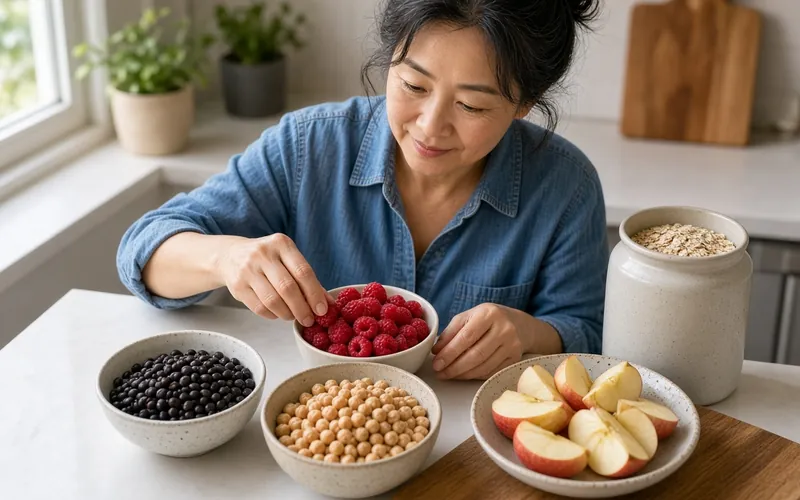
- Beans, lentils and chickpeas, which also provide fiber
- Tofu, tempeh and edamame
- Nuts and seeds
- Eggs
- Dairy, such as Greek yogurt, cottage cheese and milk, which also provide calcium. The NIH Office of Dietary Supplements lists dairy among the best calcium sources.
Harvard recommends limiting red meat and avoiding processed meats such as bacon, hot dogs and deli meats, which are linked with higher risks of heart disease, type 2 diabetes and some cancers.
How much protein is in common foods?
| Food | Approximate protein |
|---|---|
| Greek yogurt, plain, 1 cup (about 7 oz) | 18 to 20 g |
| Cottage cheese, 1/2 cup | 12 to 14 g |
| Chicken breast, cooked, 3 oz | 26 g |
| Salmon, cooked, 3 oz | 22 g |
| Canned tuna, 3 oz | 20 g |
| Lentils, cooked, 1 cup | 18 g |
| Black beans, cooked, 1 cup | 15 g |
| Tofu, firm, 1/2 cup | 10 to 20 g (varies by brand) |
| Eggs, 2 large | 12 g |
| Almonds, 1 oz (about 23) | 6 g |
| Milk, 1 cup | 8 g |
Values are approximate; check labels for packaged foods.
Easy ways to add protein to every meal
Breakfast
- Greek yogurt with berries, nuts and a sprinkle of oats
- Eggs or an egg-and-vegetable scramble with whole-grain toast
- Oatmeal made with milk, topped with nut butter or seeds
- Cottage cheese with fruit
Lunch
- A big salad with chicken, salmon, tuna, chickpeas or tofu
- Lentil or bean soup with a slice of whole-grain bread
- A whole-grain wrap with hummus, vegetables and turkey or falafel
Dinner
- Baked fish with vegetables and quinoa
- A stir-fry with tofu or chicken and plenty of vegetables
- Bean chili topped with yogurt
Snacks
- A handful of nuts
- Hummus with vegetables
- A hard-boiled egg
- Edamame
- A glass of milk or a yogurt
Do you need protein powder?
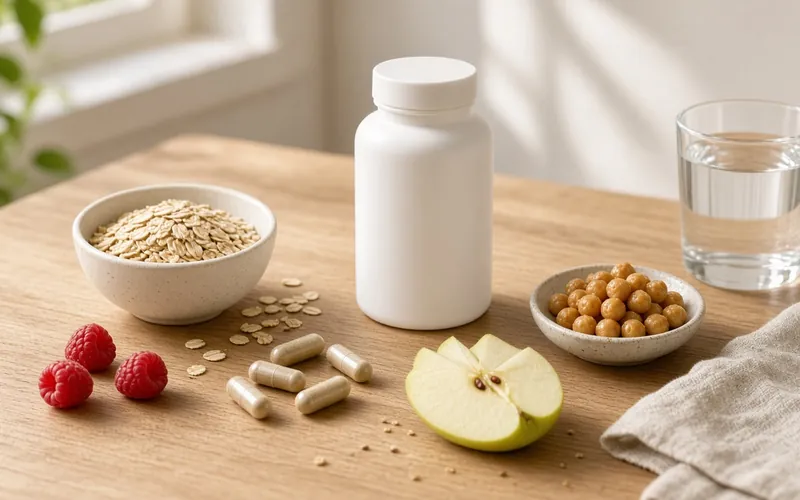
Most women can meet their protein needs from food. Protein powders can be convenient if you have a small appetite, a busy schedule or specific needs, but they are dietary supplements and quality varies. If you use one, look for third-party testing, check for added sugars and be aware that some products contain additional ingredients like herbs or stimulants. Whole foods also bring fiber, vitamins and minerals that powders lack.
Protein and plant-based eating
Vegetarians and vegans can get enough protein by eating a variety of plant proteins throughout the day: beans, lentils, tofu, tempeh, edamame, nuts, seeds and whole grains. Combining different plant foods across the day helps provide all the essential amino acids.
The bottom line
Protein matters more after 40 because it helps protect muscle and supports bone health. The RDA of 0.8 grams per kilogram is a minimum; many experts suggest older adults may benefit from somewhat more. Aim for a source of healthy protein at every meal, choose fish, poultry, beans, nuts, tofu, eggs and dairy over processed meats, and pair your protein with regular strength training for the best results.
Frequently asked questions
How much protein should a 50-year-old woman eat?
The RDA is 0.8 grams per kilogram of body weight per day. Many experts suggest somewhat more for older adults, often around 1.0 to 1.2 g/kg, but needs vary. Check with your clinician if you have kidney disease.
Is it possible to eat too much protein?
For healthy people, moderately higher protein intakes from food are generally considered safe. People with kidney disease may need to limit protein. Very high-protein diets that crowd out fruits, vegetables and whole grains are not ideal.
What is the best protein for women over 40?
A variety of healthy sources is best: fish, poultry, beans, lentils, tofu, nuts, eggs and dairy. Limit red meat and avoid processed meats.
Should I eat protein at breakfast?
Including protein at breakfast helps spread intake across the day, which may better support muscle, and can keep you fuller until lunch.
Sources
- Protein The Nutrition Source, Harvard T.H. Chan School of Public Health
- Dietary Guidelines for Americans U.S. Department of Agriculture and HHS
- Strength training: Get stronger, leaner, healthier Mayo Clinic
- Healthy Eating Plate The Nutrition Source, Harvard T.H. Chan School of Public Health
- Calcium: Fact Sheet for Consumers NIH Office of Dietary Supplements