Strength Training for Women Over 40: A Beginner's Guide
You do not need a gym membership or heavy barbells. A few sessions a week can protect muscle, bones and independence.
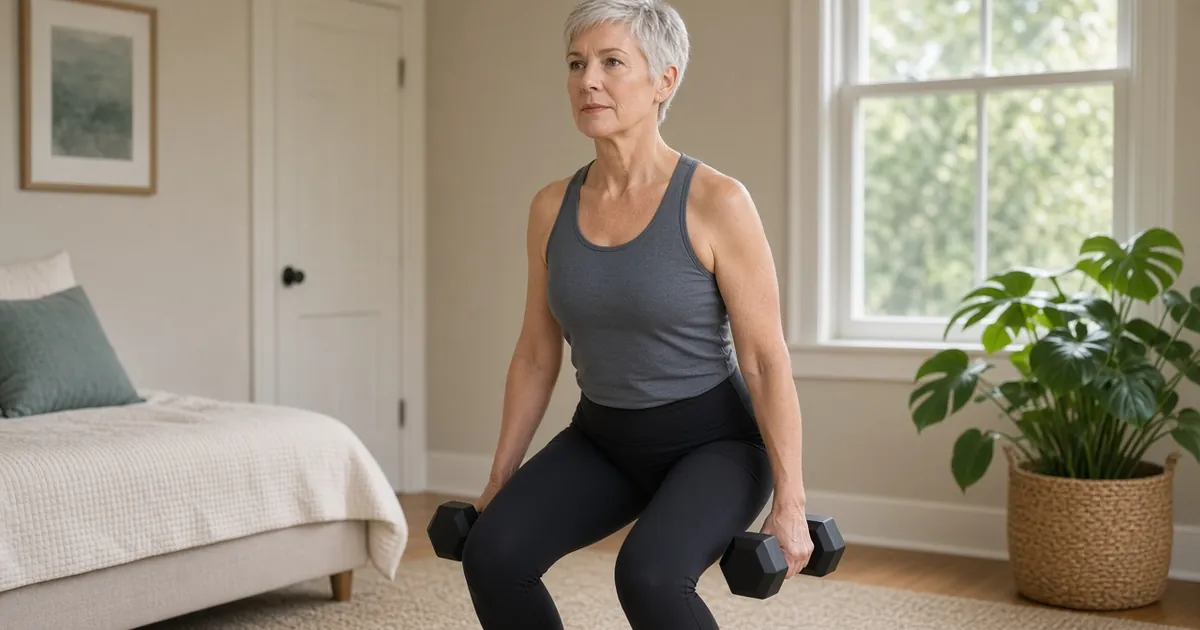
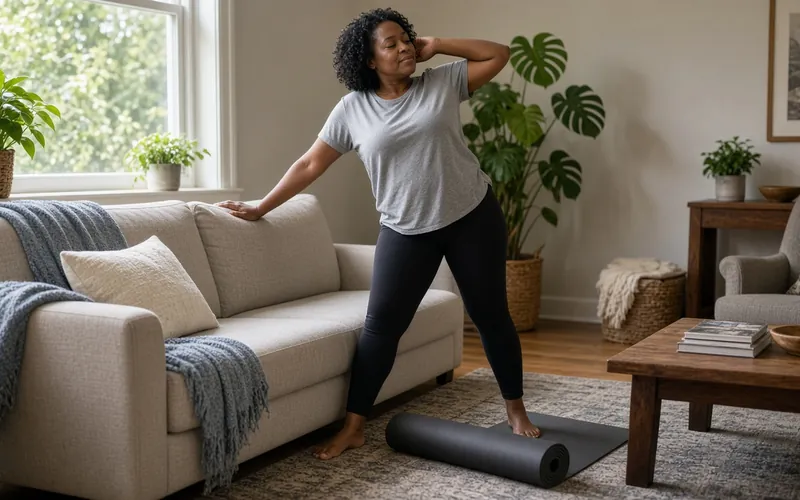
If you picture strength training as young men grunting under heavy barbells, it is time for a new picture. For women in their 40s, 50s and beyond, strength training is one of the most valuable things you can do for your health, and you can start in your living room with nothing more than a chair.
This guide explains why it matters and offers a simple beginner plan.
Why strength training matters after 40
It protects your muscle
Muscle mass and strength tend to decline with age if we do not use them. Mayo Clinic notes that lean muscle mass naturally diminishes with age and that strength training can help you preserve and enhance it at any age. Muscle is what lets you carry groceries, climb stairs, get up from the floor and stay independent as you get older.
It supports your bones
Women lose bone more quickly in the years after menopause. The National Institute of Arthritis and Musculoskeletal and Skin Diseases notes that weight-bearing and resistance exercise can help build and maintain bone. Strength training puts healthy stress on bones, which stimulates them to stay strong. See our guide to bone health after 40.
It helps balance and prevents falls
Stronger legs and core muscles improve balance and stability. The National Institute on Aging recommends strength and balance exercises as part of a healthy activity routine for older adults.
It helps with metabolism and blood sugar
Muscle uses glucose, so building muscle can help with blood sugar control. While strength training will not dramatically change your metabolism, it helps maintain the muscle that supports a healthy body composition. See does metabolism really slow down after 40?
It improves mood and sleep
Regular exercise, including strength training, is associated with better mood, lower anxiety and better sleep.
How much do you need?
The CDC recommends that adults do muscle-strengthening activities of moderate or greater intensity that work all major muscle groups (legs, hips, back, abdomen, chest, shoulders and arms) on two or more days a week. The American Heart Association gives the same advice, along with 150 minutes of moderate aerobic activity a week.
Mayo Clinic notes that many people see benefits from strength training two or three times a week, and that even a single set of 12 to 15 repetitions with a weight heavy enough to tire your muscles can be effective.
Getting started: the basics
Choose your equipment
You have several options, and you can mix them:
- Body weight: squats, push-ups (against a wall or counter at first), lunges and planks. Free and effective.
- Resistance bands: inexpensive, portable and easy on joints.
- Dumbbells: a few pairs of light to moderate weights cover a lot of exercises.
- Gym machines: guide your movement and can be a good way to learn.
Focus on form
Good technique protects your joints and makes each exercise more effective. Move slowly and with control, especially as you lower the weight. Keep breathing; do not hold your breath. If you are unsure, consider a session or two with a qualified trainer or a beginner class.
Pick the right weight
Choose a weight or resistance that makes the last two or three repetitions feel challenging while you can still keep good form. If you can easily do 15, it is time to go a little heavier.
Progress gradually
As exercises get easier, gradually add repetitions, sets or weight. Small, steady progress over weeks and months is the goal.
A simple beginner plan
Do this routine twice a week on non-consecutive days, such as Monday and Thursday. Start with one set of 10 to 12 repetitions of each exercise, and build up to two or three sets over several weeks. Rest about a minute between sets.
| Exercise | Works | Easier version | Harder version |
|---|---|---|---|
| Sit-to-stand (chair squat) | Legs, hips | Use your hands to push off | Hold a dumbbell at your chest |
| Wall or counter push-up | Chest, shoulders, arms | Stand closer to the wall | Push-up on knees or floor |
| Bent-over row (dumbbell or band) | Upper back, arms | Lighter weight | Heavier weight, slower lowering |
| Glute bridge | Hips, buttocks, lower back | Smaller range of motion | One leg, or with a weight on hips |
| Overhead press (dumbbell or band) | Shoulders, arms | Seated, lighter weight | Standing, heavier weight |
| Step-up | Legs, balance | Low step, hold a rail | Higher step, hold dumbbells |
| Modified plank | Core | On knees, against a counter | Full plank on toes |
Warm up and cool down
Start with five minutes of easy movement, such as marching in place, arm circles or a brisk walk. Finish with gentle stretches for the muscles you worked.
Common worries, answered
"Will I bulk up?"
Very unlikely. Building large muscles requires specific, intensive training and nutrition. For most women, strength training leads to a firmer, stronger body.
"I have bad knees or a bad back."
Strength training often helps joint pain by strengthening the muscles that support joints. Choose exercises that feel comfortable, reduce the range of motion if needed and consider working with a physical therapist. Stop any exercise that causes sharp pain.
"I don't have time."
A full-body routine can take 20 to 30 minutes. Even a shorter session is better than none.
"I'm too old to start."
It is never too late. Research has shown benefits of strength training even in people in their 80s and 90s.
Support your training with nutrition
Muscles need protein to repair and grow. Getting enough protein spread throughout the day, combined with strength training, helps preserve muscle with age. Harvard's Nutrition Source is a good guide to healthy protein sources. See our article on protein needs after 40.
The bottom line
Strength training is one of the best investments you can make in your health after 40. Twice a week, working all major muscle groups, helps protect muscle and bones, improves balance and makes daily life easier. Start with body weight or light weights, focus on form, progress gradually and pair your training with enough protein. Your future self will thank you.
Frequently asked questions
How often should a woman over 40 strength train?
The CDC recommends muscle-strengthening activities that work all major muscle groups at least two days a week.
Can I strength train at home without equipment?
Yes. Body-weight exercises such as chair squats, wall push-ups, glute bridges and planks are effective. Resistance bands add variety at low cost.
Is strength training good for menopause?
Strength training helps preserve muscle and bone, which are both affected by aging and menopause, and supports balance, mood and sleep.
How long until I see results?
Many people feel stronger within a few weeks. Visible changes in muscle tone usually take longer, often a couple of months of consistent training.
Sources
- Strength training: Get stronger, leaner, healthier Mayo Clinic
- Adult Activity: An Overview Centers for Disease Control and Prevention
- Three Types of Exercise Can Improve Your Health and Physical Ability National Institute on Aging (NIH)
- Osteoporosis National Institute of Arthritis and Musculoskeletal and Skin Diseases (NIH)
- AHA Recommendations for Physical Activity in Adults American Heart Association
- Protein The Nutrition Source, Harvard T.H. Chan School of Public Health