Night Sweats and Hot Flashes at Night: Practical Ways to Sleep Cooler
Waking up drenched is one of the most disruptive parts of the menopause transition. These steps can help you stay cooler and sleep longer.
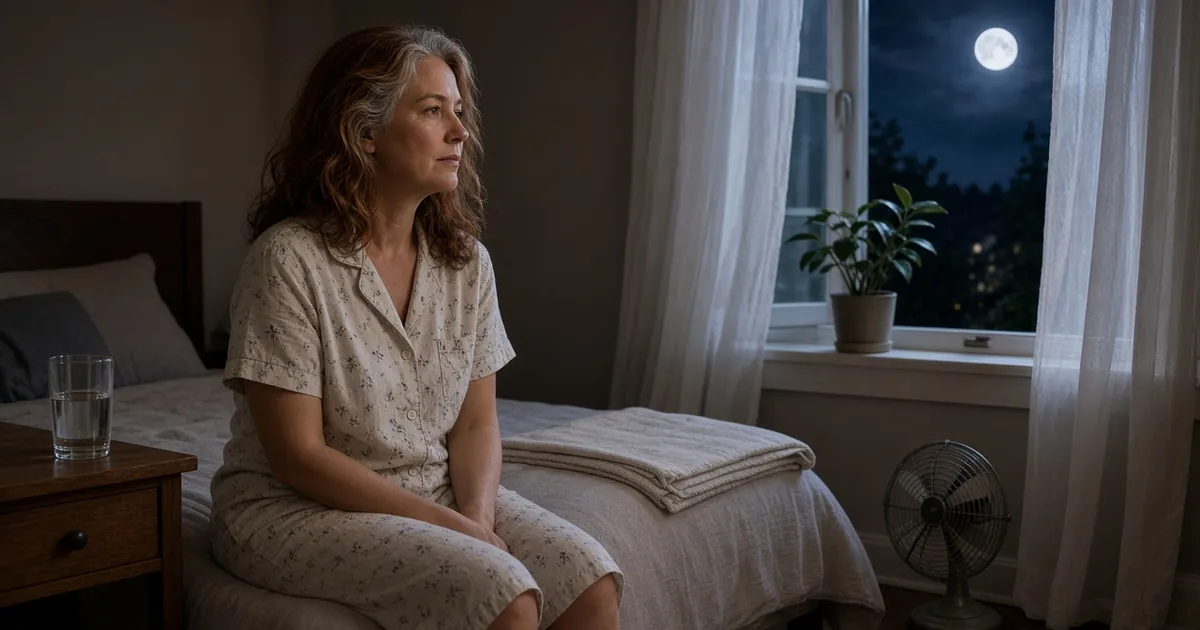
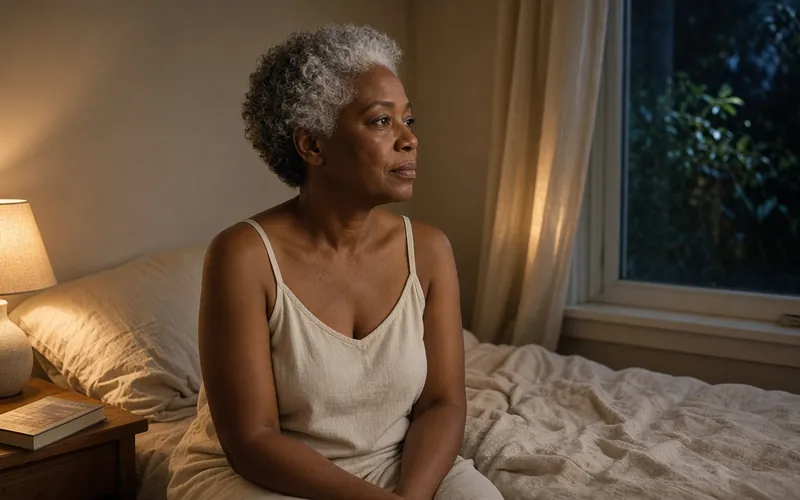
You wake up hot, heart racing, sheets damp, and by the time you have cooled off and changed your shirt, you are wide awake. If that sounds familiar, you are dealing with one of the most common and most disruptive parts of the menopause transition.
Night sweats are simply hot flashes that happen during sleep. They are not dangerous in themselves, but repeated wake-ups can leave you exhausted, irritable and foggy. Here is what is going on and what you can do about it.
What causes hot flashes and night sweats?
A hot flash is a sudden feeling of warmth, usually strongest over the face, neck and chest, often followed by sweating and sometimes chills as your body cools down. According to Mayo Clinic, hot flashes are most often caused by the hormonal changes before, during and after menopause, although the exact mechanism is not fully understood.
The leading explanation is that falling and fluctuating estrogen affects the brain's temperature control center. That thermostat becomes more sensitive, so a small rise in body temperature that would normally go unnoticed triggers a full cooling response: blood vessels near the skin widen, you flush and you sweat.
The National Institute on Aging notes that hot flashes can begin before your periods stop and can continue for years after menopause. How long they last varies a lot from woman to woman.
How common are they?
Very. The Office on Women's Health describes hot flashes as the most common symptom of menopause, experienced by a large majority of women during the transition. Some have a few mild episodes; others have many a day, with night sweats strong enough to soak the bed.
Cooling your bedroom and your body
The most immediate wins are practical. These suggestions come from the NIA's guidance on managing hot flashes and are easy to try tonight.
Keep the room cool
A cooler bedroom gives you more margin before a hot flash wakes you. Lower the thermostat at night if you can, crack a window if it is safe and quiet, or use a fan. Many women keep a small fan pointed at the bed all year round.
Layer your bedding
Instead of one heavy comforter, use several lighter layers you can throw off and pull back on: a sheet, a light blanket and a throw. If you share a bed with someone who runs cold, separate blankets can save a lot of nighttime negotiation.
Choose breathable fabrics
Cotton, linen and bamboo-based fabrics, or moisture-wicking sleepwear designed for athletes, tend to feel cooler than synthetic satin or heavy flannel. Keep a spare set of sleepwear by the bed so changing takes seconds, not a trip to the dresser.
Keep cold water within reach
A glass or insulated bottle of cold water on the nightstand helps you cool down quickly. Some women also keep a cool, damp cloth nearby, or flip the pillow to the cool side.
Cool down before bed
A lukewarm shower in the evening can help lower your body temperature. Very hot baths right before bed may backfire if you are prone to hot flashes.
Find your personal triggers
Hot flashes often have triggers, and they differ from person to person. Commonly reported ones include:
- Alcohol, especially red wine, in the evening
- Spicy foods
- Caffeine
- Hot drinks close to bedtime
- Smoking
- A warm room or heavy bedding
- Stress and anxiety
Keeping a simple log for a couple of weeks, noting what you ate and drank, how you felt and when night sweats hit, can reveal patterns. If you notice that wine at dinner reliably means a rough night, that is valuable information.
Habits that may help over time
Stay active
Regular physical activity supports sleep, mood and heart health during the menopause transition. Results for hot flashes specifically are mixed, but exercise has so many other benefits in midlife that it is worth prioritizing.
Maintain a healthy weight
Some research links higher body weight with more frequent or severe hot flashes. If weight has crept up, gradual changes to eating and activity may help symptoms as well as overall health.
Practice slow breathing
Paced breathing, which means slow, deep breaths at about six per minute, is sometimes suggested at the start of a hot flash. The evidence is modest, but it is free, safe and can help you feel calmer and more in control at 3 a.m.
Don't smoke
Smoking is associated with more hot flashes, along with far more serious health risks. If you smoke, quitting is one of the best things you can do for your health at any age.
Medical treatments: what to ask about
If hot flashes and night sweats are disrupting your life, talk to a clinician. You do not need to tough it out. The Menopause Society offers patient resources explaining the options, which include:
- Hormone therapy. Estrogen, alone or with a progestogen, is the most effective treatment for hot flashes. Whether it is right for you depends on your age, how long since your final period and your personal and family health history, including blood clots, stroke and breast cancer risk.
- Non-hormonal prescription options. Several non-hormonal medicines can reduce hot flashes, including newer drugs that target the brain's temperature control pathway and certain medications originally developed for other conditions. Each has its own side effects and considerations.
- Cognitive behavioral therapy and clinical hypnosis. These have been studied for menopause symptoms and may help some women cope better with hot flashes and the sleep disruption they cause.
Be cautious with herbal supplements marketed for hot flashes. Evidence for most is limited or mixed, products vary in quality and some can interact with medications. Mention anything you take to your clinician or pharmacist.
Night sweats are not always caused by menopause. Infections, some medications (including certain antidepressants), thyroid problems, low blood sugar and, rarely, more serious conditions can also cause them. That is why new or unusual night sweats deserve a check.
The bottom line
Night sweats are common, real and often frustrating, but they are manageable. Start with what you control tonight: a cooler room, layered breathable bedding, a fan and a cool kit by the bed. Track your triggers, look after your overall health and, if symptoms are wearing you down, talk with a clinician about treatment. Many women find that a combination of practical changes and the right medical help gives them their nights back.
Frequently asked questions
How long do night sweats last during menopause?
It varies widely. Some women have them for a year or two; for others they continue for many years after the final period. The National Institute on Aging notes that hot flashes can continue for years after menopause.
What is the fastest way to cool down during a night sweat?
Throw off a blanket layer, turn a fan toward you, sip cold water and use a cool cloth on your face or neck. Keeping these within arm's reach means you can recover quickly without fully waking up.
Are night sweats always caused by menopause?
No. Infections, certain medications, thyroid problems and other conditions can also cause night sweats. If they come with fever, weight loss or other new symptoms, see a clinician.
Does hormone therapy help night sweats?
Hormone therapy is the most effective treatment for hot flashes and night sweats, but it is not right for everyone. A clinician can help you weigh benefits and risks based on your age and health history.
Sources
- Hot Flashes: What Can I Do? National Institute on Aging (NIH)
- Hot flashes: Symptoms and causes Mayo Clinic
- Menopause Office on Women's Health (HHS)
- Patient education The Menopause Society
- What Is Menopause? National Institute on Aging (NIH)
- Menopause: Symptoms and causes Mayo Clinic