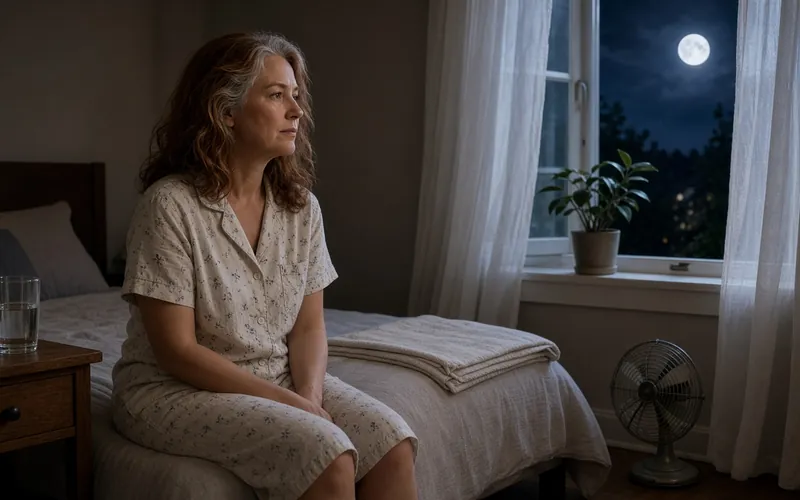
Why Sleep Gets Harder After 40 (and What Actually Helps)
Lighter sleep, 3 a.m. wake-ups and night sweats are common in midlife. Here is what is behind them and what tends to help.
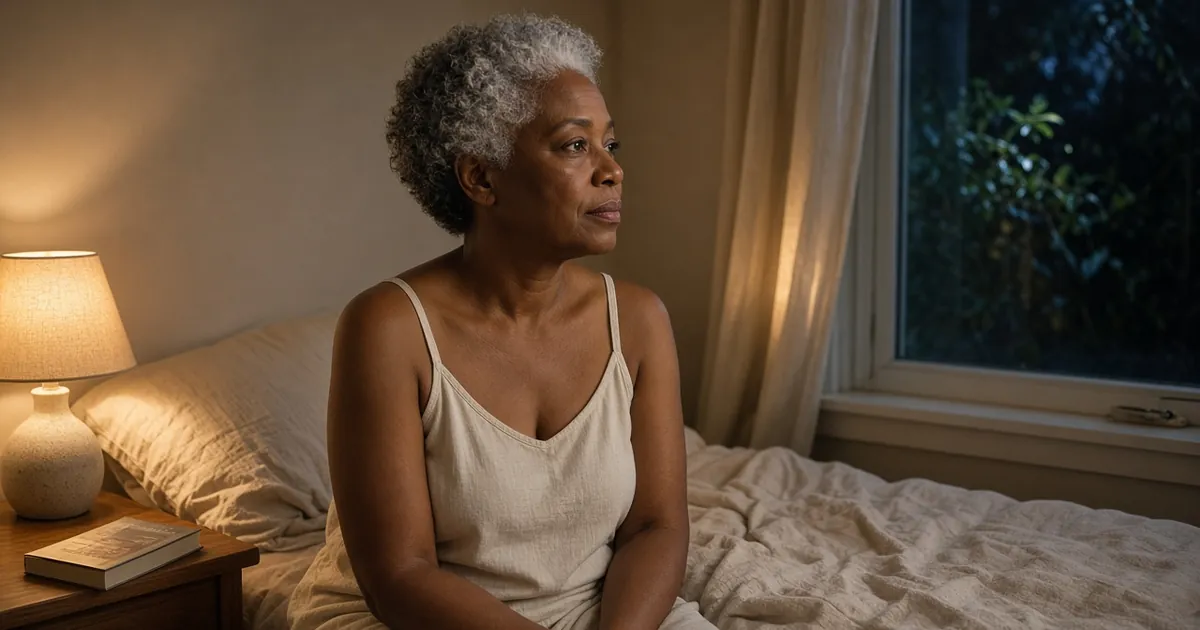
If you used to sleep through the night and now find yourself staring at the ceiling at 3 a.m., you are in good company. Sleep complaints rise noticeably in the years around menopause, and many women describe the same pattern: it takes longer to fall asleep, sleep feels lighter, and waking in the early hours becomes routine.
The good news is that most of the reasons are understandable, and many of them respond to changes you can make at home. This guide walks through what is going on and what tends to help.
How much sleep do you actually need?
According to the CDC and the National Heart, Lung, and Blood Institute, adults need seven or more hours of sleep per night. That recommendation does not change in your 40s or 50s. What often changes is how easily you get that sleep.
Plenty of adults fall short. The CDC's sleep statistics show that a large share of American adults regularly sleep less than seven hours. Short sleep is not just about feeling groggy: it is linked with higher risks of heart disease, type 2 diabetes, depression and weight gain, and it makes it harder to concentrate and manage mood.
The National Institute on Aging notes that older adults need about the same amount of sleep as younger adults, but sleep often becomes lighter and more fragmented with age. Midlife is when many women first notice that shift.
Why sleep changes in your 40s and 50s
Perimenopause and changing hormones
Perimenopause, the transition before your final period, often starts in your 40s. During this time, levels of estrogen and progesterone rise and fall unevenly. Mayo Clinic lists sleep problems among the common symptoms of perimenopause, often but not always linked to hot flashes or night sweats.
Progesterone has a mildly calming effect, and estrogen influences body temperature regulation and mood. When both become unpredictable, sleep can become unpredictable too.
Night sweats and hot flashes
Hot flashes that happen at night, known as night sweats, can wake you suddenly, leave you too warm to drift back off and disrupt deep sleep even when you do not fully wake. The National Institute on Aging suggests practical steps like keeping the bedroom cool, dressing in layers and noticing personal triggers. We cover this in detail in our guide to sleeping cooler with night sweats.
Stress and a busy mind
Midlife often stacks responsibilities: careers, teenagers or adult children, aging parents, money worries. Stress raises alertness, which is exactly the opposite of what you need at bedtime. Many women find the 3 a.m. wake-up is when the mind starts running through to-do lists.
Caffeine, alcohol and screens
Caffeine can stay in your system for many hours, so an afternoon latte can still affect sleep at night. Alcohol may help you fall asleep but tends to make the second half of the night lighter and more broken. Bright screens late in the evening also matter: Harvard Health explains that blue light at night suppresses melatonin, the hormone that signals your body it is time to sleep. Our guide on caffeine, alcohol and sleep goes deeper.
Sleep disorders that become more common
Some sleep problems are medical conditions that need diagnosis. MedlinePlus lists common ones, including insomnia, sleep apnea and restless legs syndrome. Sleep apnea, where breathing repeatedly stops and starts during sleep, becomes more common in women after menopause and is easy to miss because the symptoms can be subtle: morning headaches, unrefreshing sleep, daytime sleepiness or a partner noticing snoring and pauses in breathing.
What actually helps: practical steps
There is no single trick that fixes midlife sleep, but a handful of consistent habits help most people. These recommendations are drawn from Mayo Clinic and the National Institute on Aging.
1. Keep a steady schedule
Go to bed and get up at about the same time every day, including weekends. Your internal clock works best with regular cues. If you have a bad night, resist the urge to sleep in late; a consistent wake time anchors the whole cycle.
2. Make your bedroom cool, dark and quiet
A slightly cool room helps your body temperature drop, which is part of falling asleep. Blackout curtains or an eye mask, earplugs or a fan for steady background noise can all help. If night sweats are part of the picture, breathable cotton or moisture-wicking bedding and a fan within reach can make a real difference.
3. Watch caffeine timing
Many sleep experts suggest stopping caffeine by early afternoon. Remember that tea, cola, energy drinks and some pain relievers contain caffeine too.
4. Be honest about alcohol
If you drink in the evening, try a few alcohol-free nights and notice whether you sleep more deeply or wake less at 3 a.m. Many women find this experiment surprisingly revealing.
5. Build a wind-down hour
Give yourself a buffer between a busy day and bed: dim the lights, put the phone away, take a warm shower, read something calming, stretch or try slow breathing. Our 60-minute evening routine lays out a simple plan.
6. Move during the day
Regular physical activity is linked with better sleep. Morning or afternoon exercise is ideal; for some people, vigorous workouts right before bed can make it harder to settle.
7. Get daylight early
Natural light in the morning helps set your body clock. A short walk outside after waking is an easy way to combine light and movement.
8. If you cannot sleep, get up
Lying in bed frustrated teaches your brain that bed is a place for worrying. If you have been awake for what feels like 20 minutes or so, get up, go to another dim room and do something quiet until you feel sleepy, then return to bed.
9. Limit long naps
A short nap of 20 to 30 minutes early in the afternoon is fine for many people, but long or late naps can make it harder to sleep at night.
What about sleep aids and supplements?
It is tempting to reach for something in a bottle. Over-the-counter sleep aids often contain antihistamines, which can cause next-day grogginess and are generally not recommended for regular use, particularly as you get older. Melatonin is popular, but the evidence for long-term insomnia is limited. Read our guide to melatonin after 40 before you buy it.
If menopause symptoms are driving your sleep problems, there are medical treatments, both hormonal and non-hormonal, that a clinician can discuss with you based on your health history.
Cognitive behavioral therapy for insomnia (CBT-I), a structured program that changes thoughts and habits around sleep, is widely recommended as a first-line treatment for chronic insomnia. It is available through sleep clinics, therapists and some apps.
The bottom line
Midlife sleep changes are common and real, not something you are imagining. They usually have several overlapping causes, which means several small changes often work better than one big one. Start with a steady schedule, a cool and dark bedroom, smarter caffeine and alcohol habits and a calmer last hour of the day. And if your sleep does not improve, or you notice signs of a sleep disorder, take it seriously and talk to a clinician.
Frequently asked questions
Is it normal to wake up at 3 a.m. every night in your 40s?
Waking in the early hours is very common in midlife and is often linked to stress, night sweats, alcohol or lighter sleep. It is not dangerous by itself, but if it happens most nights and leaves you tired, it is worth adjusting your habits and talking to a clinician.
Does menopause cause insomnia?
The menopause transition is associated with more sleep problems, often because of hot flashes and night sweats, but also mood changes and stress. Not every woman is affected, and sleep problems can have other causes, so it helps to look at the whole picture.
How many hours of sleep does a woman over 40 need?
The CDC and NHLBI recommend seven or more hours a night for adults, and that does not change at 40. Individual needs vary a little, but regularly getting less than seven hours is linked with health risks.
Should I take a sleeping pill?
Talk with a clinician first. Many over-the-counter sleep aids contain antihistamines that can cause next-day drowsiness. For chronic insomnia, cognitive behavioral therapy for insomnia is often recommended before medication.
Sources
- About Sleep Centers for Disease Control and Prevention
- FastStats: Sleep in Adults Centers for Disease Control and Prevention
- How Much Sleep Is Enough? National Heart, Lung, and Blood Institute (NIH)
- Sleep and Older Adults National Institute on Aging (NIH)
- A Good Night's Sleep National Institute on Aging (NIH)
- Sleep tips: 6 steps to better sleep Mayo Clinic
- Hot Flashes: What Can I Do? National Institute on Aging (NIH)
- Perimenopause: Symptoms and causes Mayo Clinic
- Sleep Disorders MedlinePlus (National Library of Medicine)
- Blue light has a dark side Harvard Health Publishing